Resolution criteria
This market resolves to YES if the "Great Highway for Everyone Act" (or a substantially similar ballot measure to reopen the Upper Great Highway to private vehicular traffic on weekdays) is approved by San Francisco voters before or in the November 3, 2026, election.
This market resolves to NO if:
The ballot measure fails to qualify for the November 2026 ballot.
The ballot measure qualifies but is rejected by voters (fails to achieve the required votes to pass; the "Great Highway for Everyone Act" requires 50%+1)
The ballot measure is legally blocked, disqualified, or otherwise removed from the ballot prior to the election.
The primary source of truth for ballot qualification will be the San Francisco Department of Elections. The source of truth for election results will be based on reputable media reporting on the election.
Background
https://www.sfchronicle.com/sf/article/great-highway-controversy-to-return-to-s-f-voters-22339743.php
"In November 2022, voters overwhelmingly rejected a proposition to allow private cars on the highway everyday."
"In November 2024, a majority of voters – 55% – backed closing the highway permanently to cars 24/7. (A majority of voters in westside precincts, where residents regularly use the highway to commute and get around their neighborhood, voted against the measure.) Sunset District supervisor Joel Engardio was eventually recalled for his role in championing closing the highway to create a park."
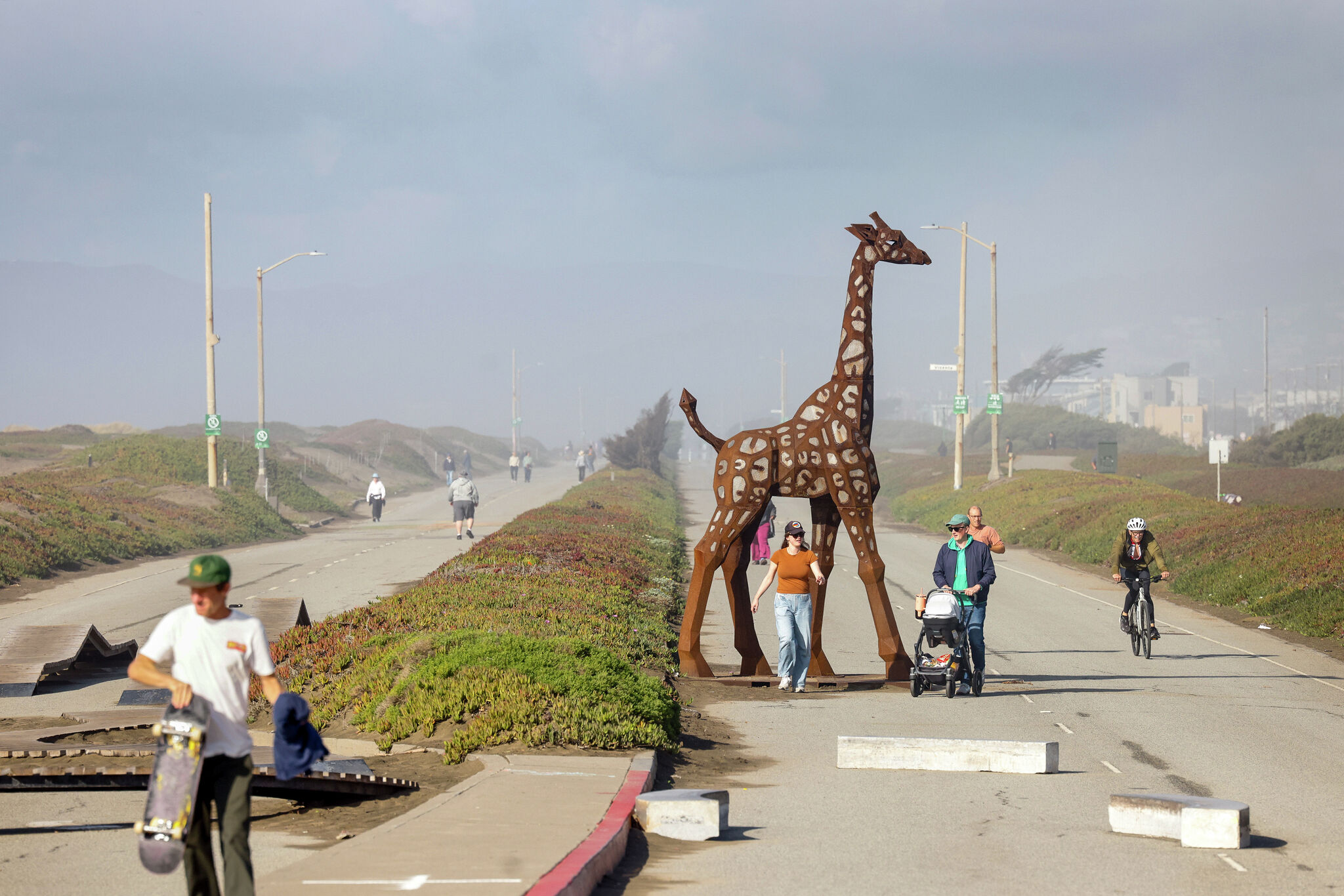
The park officially opened in April 2025.
In July 2026, proponents of reopening the road submitted 15,626 signatures to qualify the "Great Highway for Everyone Act" for the November 2026 ballot. The proposed measure serves as a compromise that would allow car traffic on the roadway during weekdays while keeping Sunset Dunes Park open on weekends. City departments estimate that transitioning the park back to weekday vehicle use would cost approximately $14 million in infrastructure and signal restorations.
 1,000
1,000I've created a separate market: Will Prop G LOSE by 20 percentage points
/MingweiSamuel/will-the-sf-prop-g-to-reopen-the-gr