In 2023, Rishi Sunak announced that he will be putting forward legislation for a "lifetime smoking ban". This would mean that the age for buying cigarettes will rise by one year every year and that anyone born after a cutoff date (proposed to be 1st January 2009) will never be able to legally buy cigarettes.
This legislation was presented to Parliament as the Tobacco and Vapes Bill 2024:
https://www.gov.uk/government/collections/tobacco-and-vapes-bill-2024
In the previous market on this subject, we thought that it was looking pretty certain that the generational smoking ban would become law during Sunak's time as Prime Minister, but this became impossible once he called a general election for July:
/SimonGrayson/will-a-lifetime-smoking-ban-become
The bill passed its second Commons reading comfortably despite some noisy opposition from the libertarian wing of Sunak's party.
The legislative process would need to start from scratch with a new government, but the bill had plenty of support from Labour so there is every reason to think that the next government will reintroduce this legislation.
To become law, the legislation will have to clear three hurdles:
Pass the House of Commons
Pass the House of Lords
Receive Royal Assent (this should be a formality)
Will it pass all three hurdles before the next general election after 4th July 2024? This is expected to be in 2028 or 2029.
If the legislation is modified or amended so that the permanent automatic ramping up isn't in place to take the smoking age up to at least 50 without further legislation (eg. the legislation only lasts for a few years and then needs further legislation or the automatic ratcheting up only goes up to 30 rather than 50+), this market will resolve to NO
 1,000
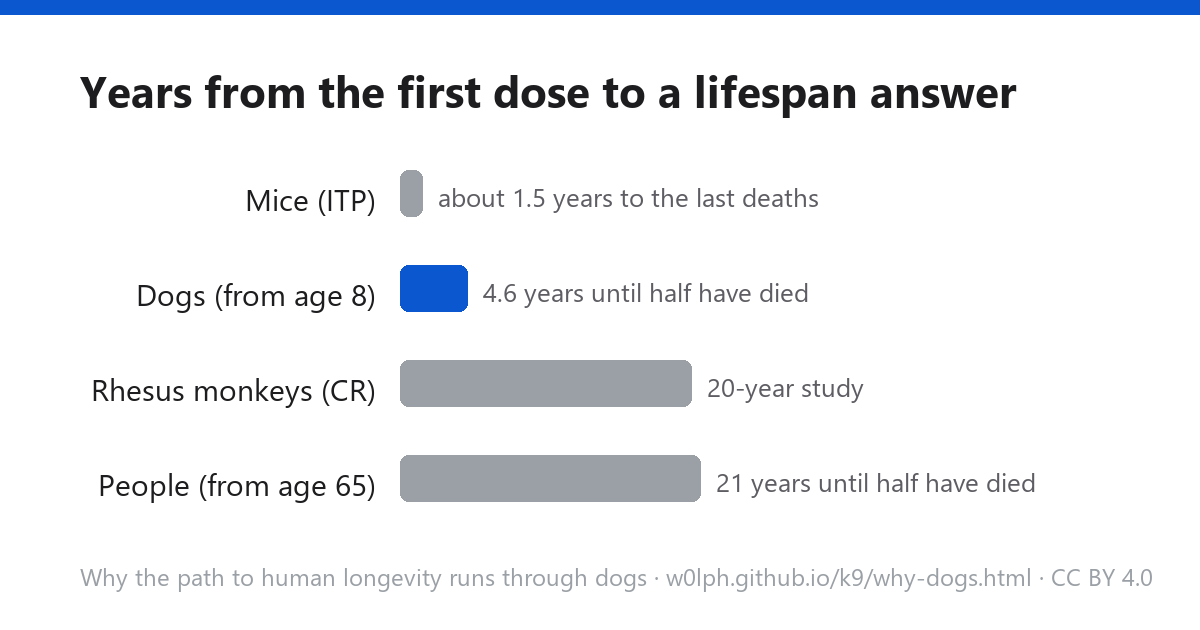
This has happened and can resolve: the Tobacco and Vapes Act 2026 received Royal Assent on 29 April 2026, with the generational rule (nobody born on or after 1 January 2009 may ever be sold tobacco) taking effect on 1 January 2027, and the next general election cannot come before 2029. For anyone holding NO on a technicality, the Act is primary legislation and the ban is on the face of it rather than left to regulations. On why it matters for life expectancy, which is the number these policies are judged by: lifelong smokers lose about ten years against never-smokers in the British Doctors Study (Doll et al., 2004), roughly the same size as the gap between the richest and poorest 1% of men in the US. It is also, by a wide margin, the largest lifespan effect any intervention has shown in people; for comparison, no drug has yet moved a human survival curve in a trial, and the first lifespan trials of anti-aging drugs are running in dogs, where the answer takes about 4.6 years instead of 21. The arithmetic with sources (mine): https://w0lph.github.io/k9/why-dogs.html?v=2