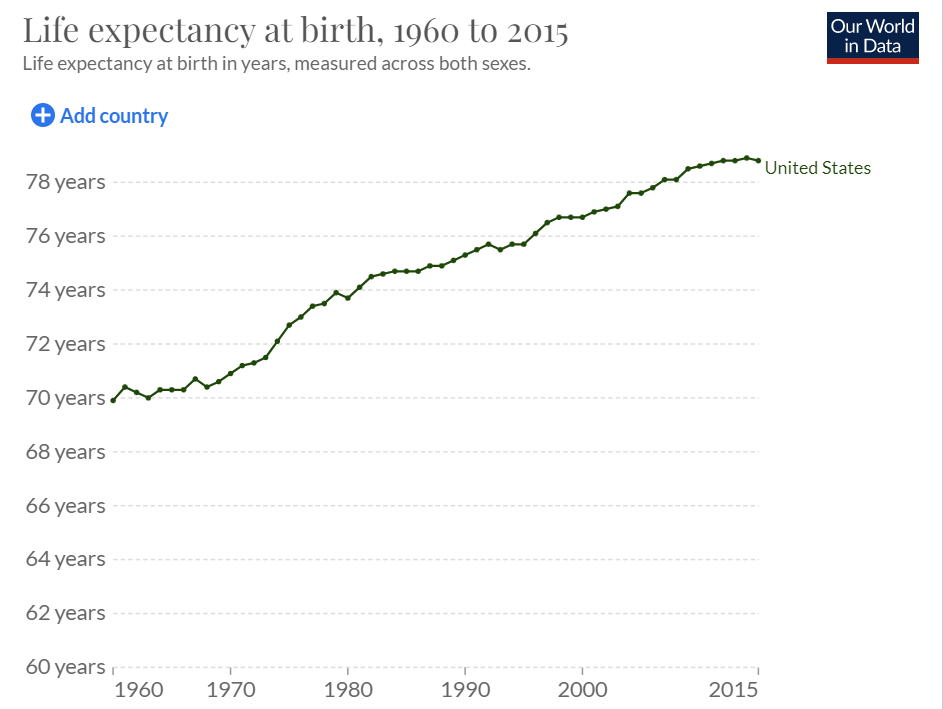
Resolves according to data provided by Our World in Data, if available. Otherwise, resolves according to the average of the 3 top sources by SEO on the leading search engine at close.
Edit 11/14/22: Refers to life expectancy at birth.
 1,000
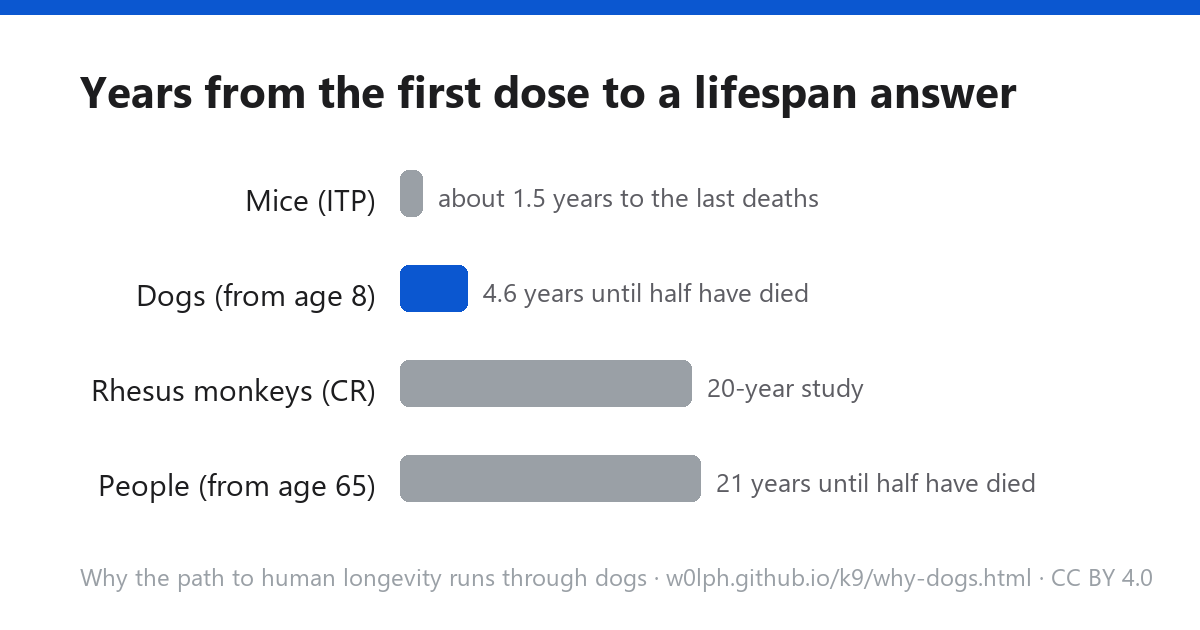
1,000Pace check: 85 by 2050 means 6 more years in 26 years, about 0.23 a year, from the 2024 figure of 79.0 (CDC). The US gained roughly 0.17 a year from 1980 to 2010, then stalled (78.7 in 2010, 78.8 in 2019) before the pandemic dip and rebound. So a YES needs the pre-2010 pace resumed and then some, for a quarter century, or a genuine shift in old-age mortality from a new class of drugs. Those drugs have no human lifespan data yet: the first lifespan trials of anti-aging drugs are in dogs (TRIAD, Loyal's STAY study), reading out around 2029 to 2031, and human lifespan trials take about 21 years from enrolment at 65, so a drug that passes the dog test in 2030 could be moving this statistic in the 2040s but not before. The arithmetic with sources (mine): https://w0lph.github.io/k9/why-dogs.html?v=2
The latest life expectancy at birth stat from Our World in Data (sourced from OECD) was 78.8 years. We would need an additional 6.2 years for a positive resolution. It took from 1975 to 2015 to achieve the last 6.2 years - 40 years.
At the same rate of increase, the market would resolve no, only achieving the next 6.2 years in 2062. But instead we see the growth rate of life expectancy decreasing in the last 10 or so years.
It is possible that new technology will dramatically increase human lifespans (and I really hope so!) but I think base rates implies that this market is highly overvalued at 90%.
Please LMK if anyone disagrees with this analysis!
https://ourworldindata.org/life-expectancy