I will use data from Imazon https://imazon.org.br/ to resolve this market.
 1,000
1,000🏅 Top traders
| # | Trader | Total profit |
|---|---|---|
| 1 | Ṁ4,418 | |
| 2 | Ṁ824 | |
| 3 | Ṁ53 | |
| 4 | Ṁ23 | |
| 5 | Ṁ20 |
Resolving to NO.
https://imazon.org.br/imprensa/amazonia-fecha-2024-com-queda-de-7-no-desmatamento-mas-alta-de-497-na-degradacao/?utm_source=chatgpt.com
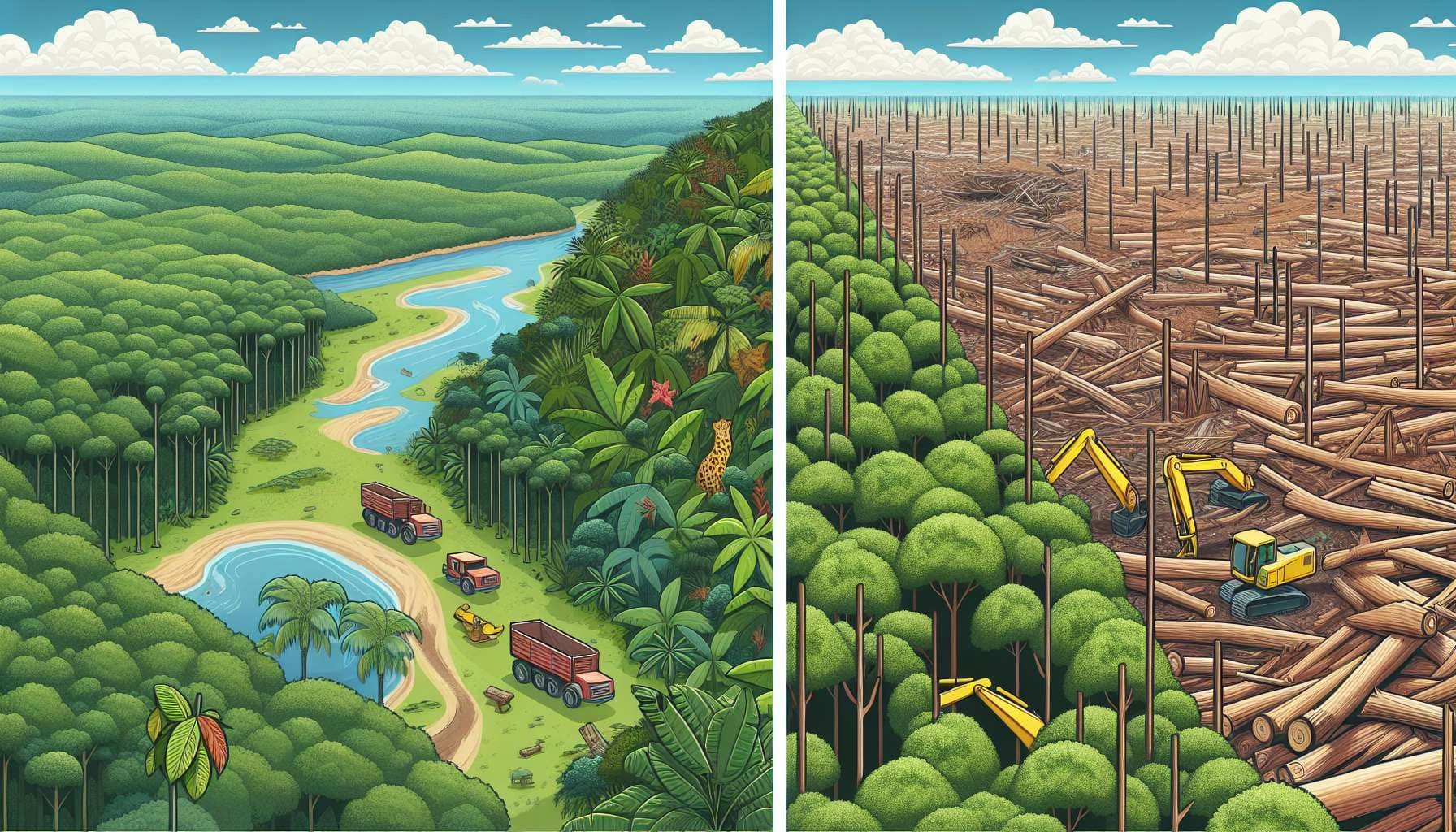
In 2024, the Amazon rainforest experienced a 7% decrease in deforestation compared to 2023, marking the second consecutive year of decline after five years of record-high destruction. From January to December 2024, 3,739 km² of forest were cleared, down from 4,030 km² in the same period in 2023. Notably, this represents a 65% reduction from 2022, which saw 10,362 km² deforested. Despite this progress, the loss in 2024 still equates to over a thousand football fields of forest per day. These figures are sourced from the Amazon Monitoring Program by Imazon, which has been utilizing satellite imagery since 2008.
However, forest degradation—a partial loss of forest cover due to activities like fires and logging—rose dramatically by 497% in 2024, totaling 36,379 km² compared to 6,092 km² in 2023. This surge is primarily attributed to increased wildfires, especially during August and September, exacerbated by severe drought conditions that heightened the forest's vulnerability to fires.
The state of Pará led in deforestation for the ninth consecutive year, with 1,260 km² cleared in 2024, a 3% increase from 2023. In contrast, states like Mato Grosso and Rondônia saw significant reductions in deforestation, with decreases of 27% and 40%, respectively. Conversely, Acre experienced a notable increase of 39% in deforestation during the same period.
In terms of degradation, Pará and Mato Grosso were the most affected states, accounting for 43% and 34% of the degraded areas, respectively. The dramatic rise in degradation underscores the need for enhanced monitoring and preventive measures against forest fires and illegal logging activities.
Researchers emphasize the importance of utilizing the Amazon's rainy season to strengthen forest protection initiatives. Recommendations include increased enforcement against illegal deforestation and designating public lands without defined use for conservation to combat land grabbing.
In summary, while the reduction in deforestation rates in 2024 is a positive development, the substantial increase in forest degradation highlights ongoing challenges in preserving the Amazon ra
inforest.