Resolution criteria
This market will resolve to YES if the official investigation by Belgian authorities concludes that the wildfire that started on August 14th 2026, in the Hautes Fagnes (High Fens) was caused by a farmer or agricultural activities.
Eligible causes under agricultural activities include:
A spark or mechanical heat/failure generated by an agricultural machine (e.g., tractor, mower, harvester, baler).
Negligence by an agricultural worker or farmer (e.g., a discarded cigarette butt or other accidental ignition during agricultural/mowing work).
This market will resolve to NO if:
The official investigation attributes the cause of the fire to non-agricultural factors (e.g., natural causes, recreational tourists (except farmers), non-agricultural arson, glass reflections, etc.).
This market will resolve to N/A if:
The official investigation is closed, or officially concludes that the cause of the fire is "undetermined" or cannot be proven.
Market will remain open until the publishing of the final report by the authorities.
Background
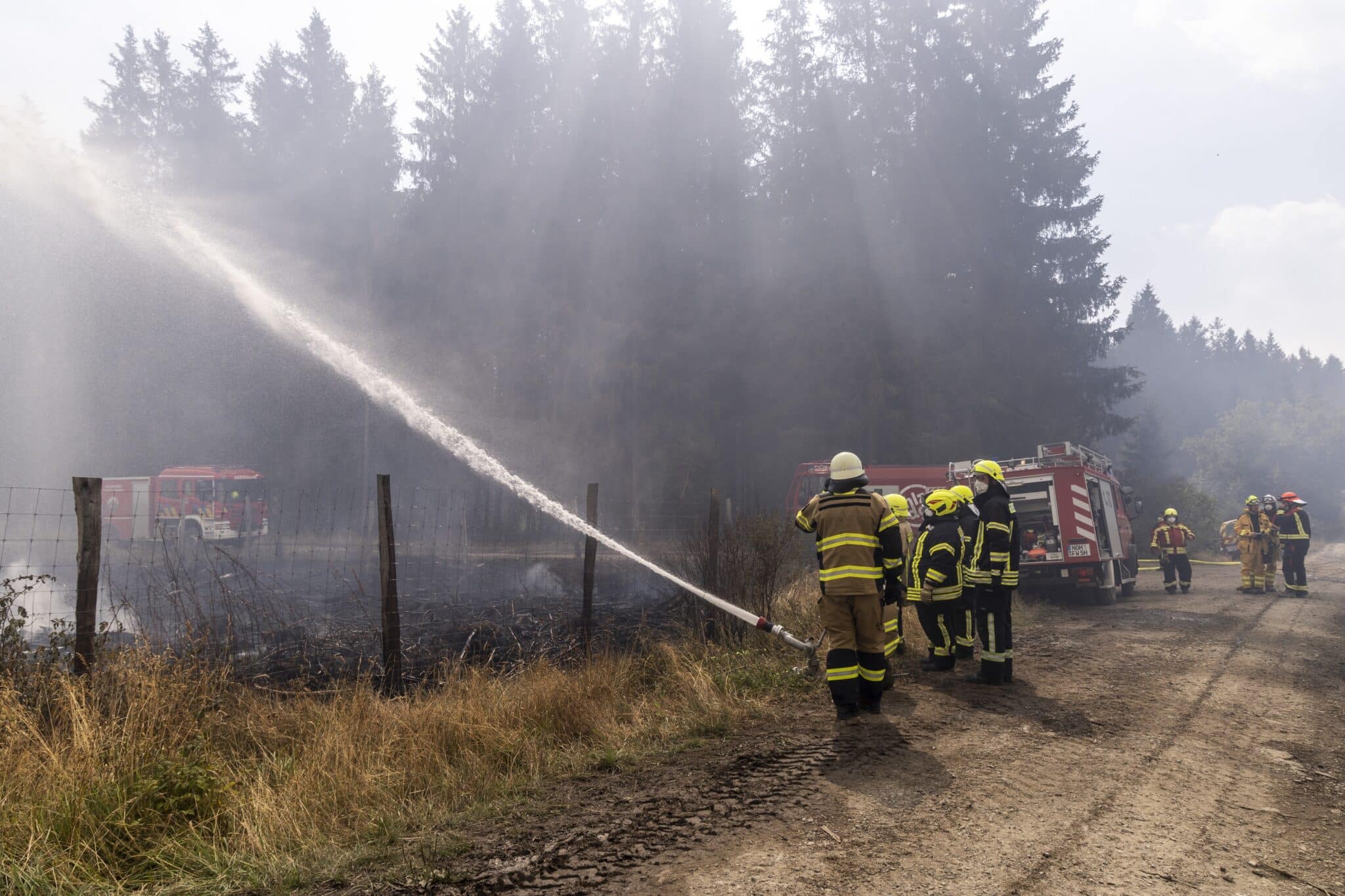
On August 14th 2026, a historic wildfire broke out in the Hautes Fagnes nature reserve in eastern Belgium. Burning over 3,300 hectares, it is the largest wildfire in the country's modern history.
The Liège public prosecutor's office opened an investigation into "involuntary arson against X" to find the origin of the fire. Aerial video footage filmed in the first minutes of the fire showed the blaze starting in a mowing zone (zone de fauchage). Because of this, investigators are studying the possibility of a spark from agricultural machinery or a discarded cigarette butt.
 1,000
1,000Political relevance: Farmers are trying to use these fires to portray themselves as heroic and selfless for shuttling water around for a couple of days, while barely acknowledging and undermining the importance of firefighters, police, military personnel, and others who actually put their lives in danger. This is part of a broader underlying conflict in the EU, which has already contributed to right-wing farmer protests over the past years. At the core of it is a sense that greedy farmers are increasingly demanding even more subsidies despite already receiving extreme financial support.